Nature has lately been at its worst fury than any humanity could ever fathom but today we are going to discuss one of the most prevalent disasters in the human history and they are, cyclones. We are going to discuss their repercussions and remedial measures for the cyclonic victims
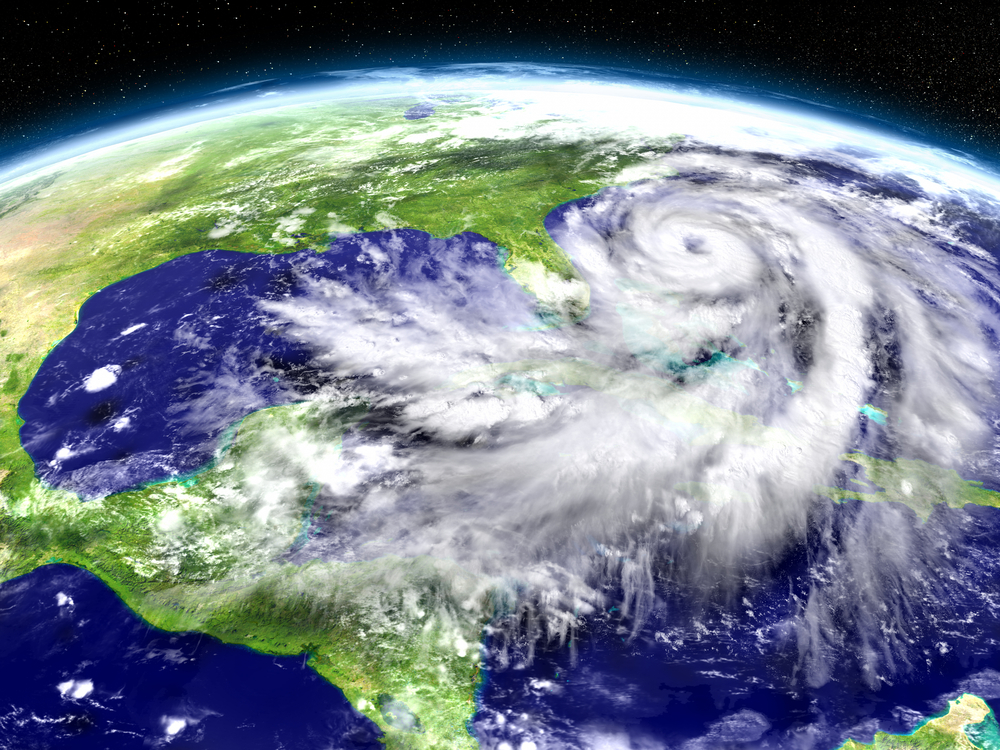
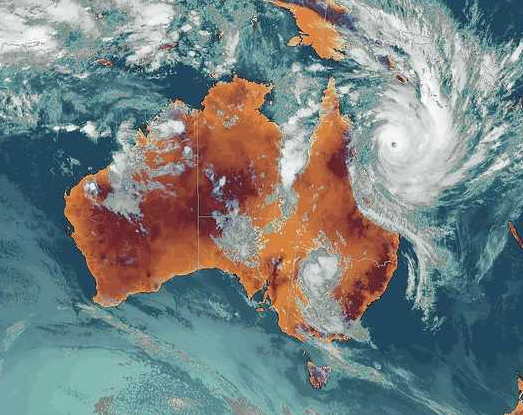
What are Cyclones?
Definition:- In meteorology, a cyclone is a large scale air mass that rotates around a strong center of low atmospheric pressure. Cyclones are characterized by inward spiralingwinds that rotate about a zone of low pressure. The largest low-pressure systems are polar vortices and extratropical cyclones of the largest scale (the synoptic scale). Warm-core cyclones such as tropical cyclones and subtropical cyclones also lie within the synoptic scale.[5]Mesocyclones, tornadoes and dust devils lie within smaller mesoscale. Upper level cyclones can exist without the presence of a surface low, and can pinch off from the base of the tropical upper tropospheric trough during the summer months in the Northern Hemisphere.
Why do Cyclones Occur?
Tropical cyclones are like giant engines that use warm, moist air as fuel. That is why they form only over warm ocean waters near the equator. The warm, moist air over the ocean rises upward from near the surface. Because this air moves up and away from the surface, there is less air left near the surface. Another way to say the same thing is that the warm air rises, causing an area of lower air pressure below.
- A cumulonimbus cloud. A tropical cyclone has so many of these, they form huge, circular bands.
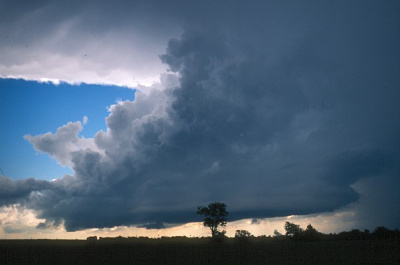
Air from surrounding areas with higher air pressure pushes in to the low pressure area. Then that “new” air becomes warm and moist and rises, too. As the warm air continues to rise, the surrounding air swirls in to take its place. As the warmed, moist air rises and cools off, the water in the air forms clouds. The whole system of clouds and wind spins and grows, fed by the ocean’s heat and water evaporating from the surface.
Repercussions of Cyclones
Winds
The winds from a Category 1 cyclone cause minimal damage to shrubbery and trees. Category 5 storms are the most forceful, bringing winds of more than 156 miles per hour. Winds this fast can rip trees from the ground and flatten buildings. Cyclones that fall in between cause varying degrees of destruction, including tearing branches from trees and destroying vegetation. This often results in loss of animal habitats, interrupting and changing ecosystems. Flying debris from any of these windstorms can kill people or animals. Cyclonic winds also can damage infrastructure, such as power lines, communication towers, bridges and roads.
Flooding
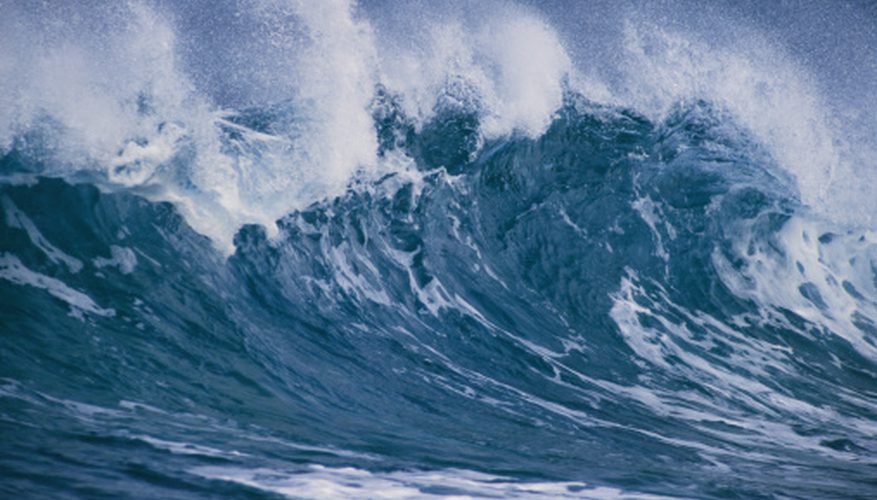
Cyclones can produce flooding in two ways. First, tropical cyclones frequently cause a surge in ocean waters causing sea levels to rise above normal. These surges, sometimes called tidal waves, can drown people and animals, and are often the greatest killers in a cyclone. Cyclones also can bring torrential rains that lead to flooding.
Erosion
A cyclone’s high winds can erode the soil, thereby damaging existing vegetation and ecosystems. This erosion leaves the area exposed and prone to even more wind erosion. Soil and sand that is blown into other areas can damage the vegetation there.
Erosion also can be caused by storm surges from tropical cyclones. Waves that reach far onto a beach drag the sand back into the ocean, leaving the affected area highly eroded. This can damage beach and dune ecosystems as well as structures. The sea will eventually bring the sand back to the beach, but this can take years.
Storm Churn
Storm churn happens when a cyclone’s winds churn up cold water as it moves across the ocean. This churning lowers the water temperatures after the storm has passed, squelching the formation of new storms.
Storm churn also invigorates the ocean current that moves warm water from tropical oceans to the poles and cold water from the poles to the tropics. Michael Huber of Purdue University believes that storm churn will continue cooling the ocean’s surface temperatures for several hundred years, countering fears that global warming will lead to an increase in the strength, quantity and length of future tropical cyclones.
How Can We Help and What Are the Remedial Measures?
Preparing for a cyclone
- Assemble an emergency kit that includes things like first aid supplies, torch, battery operated portable radio, important documents and medicines.
- Regularly clear gutters and rubbish from around your property.
- Ensure your family members and/or employees know how to turn off mains supply for water, power and gas.
- Make sure your property has clear access for emergency services.
- Have an evacuation plan and discuss with your family and/or employees.
- Regularly check the condition of your property’s roof and arrange the repair of any loose tiles, eaves or roof screws.
- Fit windows with shutters or metal screens.
- Ensure your vehicle is in good working order.
- If you receive a warning for your area, charge your mobile battery and fill up the car if possible.
At the onset a cyclone
- First and foremost, the safety of you, your loved ones and employees should come first. For any emergencies, please call 000.
- Use local alerts and warning systems to get information and expert informed advice.
- If safe to do so, move your vehicle undercover and secure any outdoor furniture and other items.
- Fill buckets, sinks and baths with water in case the water supply becomes restricted.
- Gather everyone indoors including any pets.
- Stay away from doors, windows and exterior walls.
- Turn off all electricity, gas and water and unplug all appliances.
During a cyclone
- Listen to your portable radio for updates and remain indoors until advised.
- If an official evacuation order is issued, you must leave immediately and seek shelter elsewhere.
After a cyclone
- If you have been evacuated, don’t return to your property or vehicle until authorities confirm it is safe to do so.
- Flooding can occur after a cyclone. Use local alerts and warning systems to get information and expert informed advice.
- Stay away from damaged areas and properties.
- Don’t use electrical appliances that have been wet until they’ve been checked for safety by a professional.
- Drinking water may be contaminated, so listen out for news reports to confirm whether the community’s water supply is safe to drink.
- Take photos and dispose of any items that have been affected by contaminated flood waters.
- If you have been evacuated, only return to your property when authorities indicate it is safe.
- Stay away from damaged power lines, fallen trees and flood waters.
 Vanquishing the Disasters